
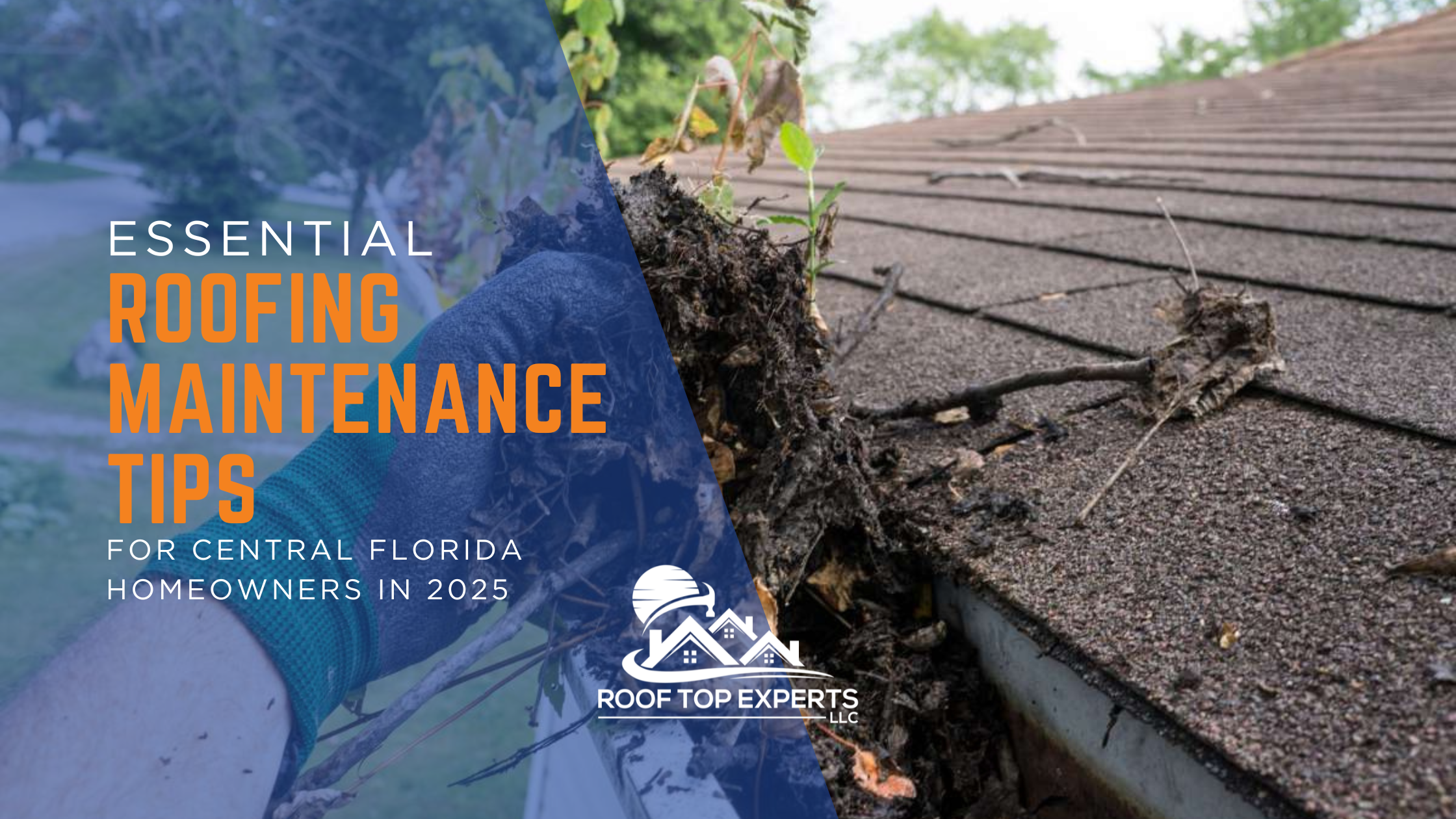
Maintaining a roof is essential for ensuring its longevity and functionality. Homeowners often overlook this critical task, leading to costly repairs down the line. Regular inspections and maintenance can prevent damage and extend the lifespan of any roofing system.
Routine tasks such as cleaning gutters, removing debris, and checking for signs of wear can make a significant difference. Addressing issues promptly helps avoid more severe problems, which could compromise a home’s structural integrity. Understanding the key maintenance tips will empower homeowners to take proactive steps in caring for their roofs.
Investing time in roof maintenance tips not only safeguards against potential leaks and deterioration but also enhances the overall value of the property. By implementing a consistent maintenance routine, homeowners can ensure their roofs remain in peak condition throughout the changing seasons.
Understanding Roof Maintenance Tips and Essentials
Routine roof care is vital for preventing costly repairs and maintaining the home’s value. This includes regular inspections, knowledge of roofing maintenance materials, and awareness of the potential causes of damage.
The Importance of Regular Roofing Maintenance and Inspections
Regular roof inspections are essential for identifying issues before they escalate. It is advisable to conduct these inspections at least twice a year, focusing on changes in weather patterns or after severe storms.
A qualified professional should evaluate the roof’s condition, looking for signs of wear, damage, or leaks. Homeowners can also perform visual checks by inspecting from the ground or using binoculars.
Key areas to examine include:
- Flashing: Ensure it is intact and free of rust.
- Shingles: Look for missing or cracked shingles.
- Gutters: Check for debris and clogs that could lead to water backup.
Addressing minor issues promptly can extend the roof’s lifespan significantly.
Recognizing Common Roofing Materials
Familiarity with common roofing materials can help homeowners understand their maintenance requirements. The most popular materials include asphalt shingles, metal, tile, and wood.
- Asphalt Shingles: Widely used due to their affordability and variety. They typically require periodic inspections and should be replaced every 20-30 years.
- Metal Roofing: Known for its durability, metal roofing often lasts 40-70 years. Regular maintenance like sealing seams is critical.
- Tile: While highly durable, tile roofs can crack and may require specialized repairs.
- Wood: Offers aesthetic appeal but requires regular treatment to prevent rot and insect damage.
Understanding these materials helps in formulating effective roof maintenance strategies.
Typical Causes of Roof Damage
Several factors contribute to roof damage, making awareness essential for homeowners. Key contributors include:
- Weather: Rain, snow, and hail can wear down roofing materials over time. Heavy winds can also lift shingles.
- Debris: Branches, leaves, and other debris can trap moisture and lead to mildew or rot.
- Poor Installation: Inadequate installation can lead to long-term problems. Following manufacturer guidelines is crucial for longevity.
- Neglect: Failure to clean gutters and perform regular inspections can lead to major repairs.
Recognizing these causes allows for proactive maintenance and timely interventions.
Routine Roof Care and Roof Maintenance Tips Plus Strategies
Regular inspections and maintenance are essential for prolonging the life of a roof and preventing costly repairs. Important roof maintenance tips include seasonal assessments, identifying signs of water infiltration, and engaging with a professional roofing contractor.
Seasonal Roof Care and Inspections
Conducting seasonal roof inspections is crucial for maintaining roof integrity. Homeowners should perform these inspections at least twice a year, ideally in spring and fall. During the inspection, look for damaged shingles, debris buildup, or any signs of wear.
Key tasks include:
- Removing leaves and organic debris.
- Inspecting flashings and seals around penetrations.
- Checking for rust on metal elements.
Timely identification of minor issues can prevent more significant problems from developing, avoiding unexpected expenses later.
Identifying Signs of Water Infiltration
Water infiltration can lead to severe damage, including mold growth and structural issues. Homeowners should be vigilant for specific indicators. Common signs include:
- Stains on ceilings or walls.
- Peeling paint or wallpaper.
- Musty odors in the attic or upper levels.
If these signs are evident, it may indicate that water has compromised the roof’s integrity. Addressing these issues promptly is vital to prevent further damage.
Working with a Roofing Contractor
Collaborating with an experienced roofing contractor is essential for effective roof maintenance. A qualified roofing expert can provide a thorough assessment and recommend necessary repairs.
When selecting a contractor, consider the following:
- Verify credentials and licensure.
- Read customer reviews and testimonials.
- Request a detailed estimate prior to work commencement.
Regular consultations with a roofing maintenance professional can help ensure that the roof remains in optimal condition and increases its lifespan.
Preventative Roof Maintenance: Managing Gutters and Downspouts Effectively
Effective management of gutters and downspouts is essential for maintaining a home’s integrity. Proper upkeep prevents water damage, mold growth, and structural issues. Understanding best practices, cleaning techniques, and ensuring downspout functionality can save homeowners time and money in the long run.
Best Practices for Gutter Maintenance
Regular maintenance is vital for gutters. Homeowners should inspect gutters at least twice a year, ideally in spring and fall.
Check for Damage: Look for cracks, rust, or signs of sagging.
Secure Loose Screws: Tighten any loose screws or hangers to prevent further damage.
Sealing Leaks: Use gutter sealant to fix leaks promptly.
Trim Nearby Trees: Ensure branches do not overhang the gutters. This reduces debris buildup.
Adopting these practices will enhance the lifespan of gutters and minimize the risk of major repairs.
Gutter Cleaning Techniques
Cleaning gutters requires specific techniques to ensure safety and effectiveness.
Use a Sturdy Ladder: Position it on a flat surface to avoid accidents.
Wear Protective Gear: Gloves and eye protection are essential while removing debris.
Remove Debris by Hand: Clear leaves, twigs, and dirt using gloved hands or a small scoop.
Flush with Water: After removing debris, flush the gutters with water to clear smaller particles.
Utilizing these techniques will ensure that gutters remain clear and functional, allowing for proper water flow.
Ensuring Proper Downspout Function
Downspouts play a critical role in guiding water away from the house. Regular checks ensure efficiency.
Inspect for Blockages: Check for clogs that may trap water.
Ensure Proper Slope: Downspouts should slope away from the foundation, preventing water pooling.
Add Wire Strainers: Use strainers at the top of downspouts to catch larger debris.
Test Water Flow: During heavy rain, observe if water flows freely through downspouts.
Following these steps will maintain effective downspout functionality, protecting the property from potential water damage.
Protecting Specific Roof Types
Maintaining different types of roofs requires tailored approaches. Shingle roofs, metal roofing, and flat roofs each have unique requirements that homeowners should follow to ensure longevity and effectiveness.
Caring for Shingle Roofs
Shingle roofs need regular inspections and maintenance to avoid water damage. Homeowners should check for missing or damaged shingles at least twice a year. Replacing any compromised shingles promptly can prevent leaks. Regular gutter cleaning is crucial, as clogged gutters can cause water to back up and damage shingles. A safe way to clean them involves using a sturdy ladder and wearing protective gear. Additionally, applying a roof coating can offer enhanced protection against UV rays, extending the life of the shingles.
Preventative Roof Maintenance Tips for Metal Roofing
Metal roofs are durable but still require regular upkeep to protect against rust and corrosion. It’s recommended to conduct inspections at least twice a year and after severe weather. Removing debris like leaves and branches prevents moisture retention, which can lead to rust. Homeowners should pay attention to seams and fasteners, ensuring they are secure and free from rust. Applying a sealant to joints can also enhance the lifespan of the roof.
For aesthetic maintenance, a periodic wash with mild detergent can keep the metal surface clean and attractive.
Flat Roof Maintenance Tips
Flat roofs need special attention due to their unique structure, which may trap water if not properly maintained. Regular inspections are essential to check for signs of pooling water, as this can lead to leaks over time.
Homeowners should clean debris regularly to prevent drainage issues. Additionally, applying a reflective coating can help to manage heat and reduce energy costs. It’s also prudent to inspect flashings and membrane seams for deterioration. Addressing minor damages promptly can prevent costly repairs in the future. Regular maintenance ensures a longer lifespan for flat roofing systems.

Preventative Roof Maintenance Measures and Best Practices
Maintaining a roof involves several key strategies to ensure longevity and prevent damage. Effective practices include removing moss and debris, enhancing ventilation, and preparing for extreme weather. These steps are crucial for maintaining the integrity of the roofing system.
Removing Moss and Debris Safely
Moss buildup can trap moisture, leading to roof deterioration. To effectively remove moss, it is important to use a mixture of water and bleach in a spray bottle. Apply it directly to the moss, allowing it to sit for 15-20 minutes.
Once treated, gently scrub the area with a soft-bristled brush to avoid damaging the shingles. It’s essential not to use pressure washing, as it can remove granules from shingles. Regularly clearing leaves and debris from the roof prevents water pooling, ensuring proper drainage and protecting the roof’s surface.
Improving Attic and Roof Ventilation
Proper ventilation is vital for extending a roof’s lifespan. Poor attic ventilation can cause heat and moisture buildup, leading to mold and damage. To improve ventilation, ensure that soffit vents and ridge vents are unobstructed and functioning correctly. Installing additional vents may be necessary if airflow is inadequate. A balanced ventilation system facilitates both intake and exhaust, reducing humidity levels in the attic. This proactive measure can prevent costly repairs from condensation-related issues.
Preparing for Extreme Weather Conditions
Extreme weather poses significant risks to roofing. Homeowners should inspect their roofs before storm seasons, checking for loose or damaged shingles. Reinforce any weak points and ensure gutters are clear to handle increased rainfall. Using durable materials can also enhance a roof’s resilience against harsh conditions. For areas prone to high winds or heavy snow, consider consulting with a professional to assess potential upgrades or reinforcements. Staying proactive protects the roof care and maintains its structural integrity.
Ready to Protect Your Central Florida Roof? Get a Free Inspection Today!
Don’t wait until minor issues become major headaches. At Roof Top Experts, we understand the unique challenges that Central Florida weather, including the conditions in Winter Haven, Lakeland, Kissimmee, and throughout Polk County, can pose to your roof. Our experienced team offers comprehensive roof maintenance tips and services to keep your home safe and secure for years to come.
For expert advice and a free, no-obligation roof inspection and estimate, contact Roof Top Experts today! We’ll assess your roof, provide tailored roof maintenance tips specific to your needs, and offer transparent pricing for any necessary services.
Call us now or visit our website at https://floridarooftopexperts.com/ to schedule your free inspection in Winter Haven, Lakeland, Kissimmee, Polk County, and the surrounding Central Florida areas. Take the proactive step towards a healthy and long-lasting roof!



Leave a Reply