
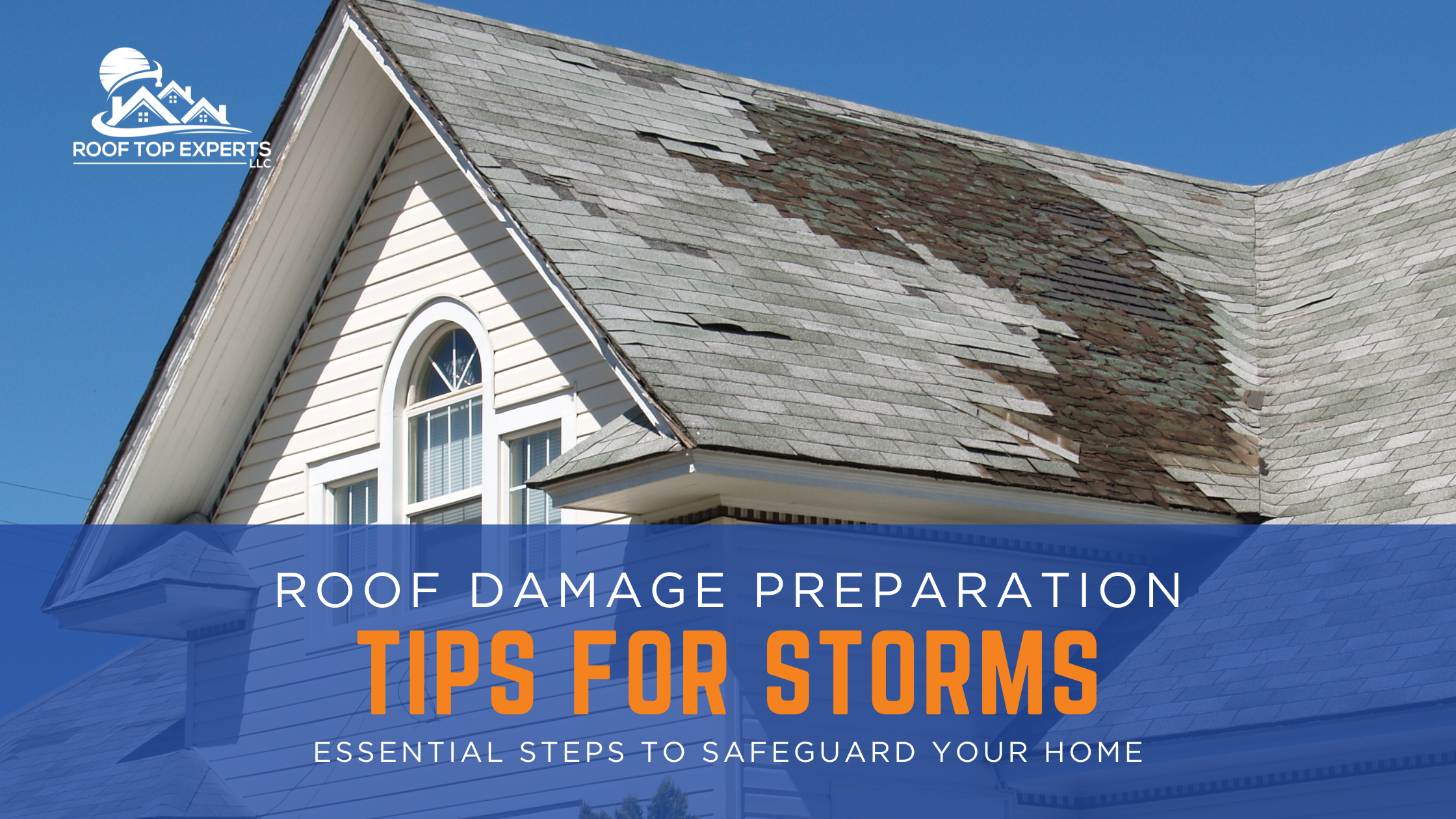
As storm season approaches, homeowners must take proactive steps to safeguard their roofs. Preparing a roof for storms includes regular inspections, reinforcing vulnerable areas, and ensuring proper ventilation to minimize damage. These preparations can significantly reduce the risk of costly repairs and enhance the overall safety of the home.
Investing in impact-resistant materials can also make a difference in a storm’s impact. Homeowners are encouraged to clear debris, which can damage shingles and create further vulnerabilities during severe weather events. Understanding the importance of these actions can provide peace of mind as storms become more frequent and intense for roof damage.
Guarding against storm damaged roofs not only preserves the roof but also contributes to the longevity of the entire home. By following essential roof preparation tips, homeowners can navigate storm season with confidence and ensure a safer living environment.
Understanding Storm Risks for Your Roof
Storms can impose significant risks on a roof’s integrity. Understanding these risks helps homeowners mitigate potential damage and ensure their roofs withstand severe weather conditions. Key considerations include the types of storms faced, recognizing vulnerabilities, and the importance of wind resistance.
Types of Storms and Potential Roof Damage
There are various types of storms that can affect roofs, including thunderstorms, tornadoes, and hurricanes. Each of these storms poses unique threats. For instance, high winds during hurricanes can lead to severe roof damage, including shingle loss and structural failure.
Thunderstorms may cause localized damage due to heavy rain and hail, leading to leaks and increased wear. Tornadoes can create powerful vortexes that result in catastrophic roof destruction. Awareness of these different storm types and their impacts is crucial for effective roof damage preparation.
Identifying Roof Vulnerabilities with Storm Damage Inspection
Roof vulnerabilities can be assessed through a thorough inspection. Common issues include missing or damaged shingles, improperly sealed flashing, and clogged gutters. Homeowners should pay special attention to flashing around chimneys and vents, as these areas are often prone to leaks.
Additionally, overhanging tree branches can cause significant damage during storms. Regular maintenance, such as trimming branches and clearing debris, can help eliminate these risks. Identifying and addressing these vulnerabilities significantly improves a roof’s ability to withstand storm damage.
The Importance of Wind Resistance
Wind resistance is a pivotal factor in roof design and maintenance. Roofs should be constructed with materials that withstand high winds, particularly in hurricane-prone areas. Installing hurricane straps or clips can enhance structural stability by securing roof rafters to walls.
Homeowners should also consider using impact-resistant roofing materials. These materials can better withstand severe wind and debris. Ensuring a roof is designed for proper wind resistance reduces the likelihood of storm damage, protecting the home and its occupants.
Roof Damage Inspection and Assessment Before Storms
Before a storm hits, a thorough roof inspection and assessment are crucial. Identifying potential issues can save homeowners from costly repairs and ensure safety during severe weather. Here are key steps to consider.

How to Perform a Visual Roof Damage Inspection
To start, a visual roof inspection can reveal visible signs of deterioration. Homeowners should look for:
- Missing or Broken Shingles: Check for any shingles that are lifted, cracked, or completely missing.
- Damaged Flashing: Examine areas around chimneys, vents, and skylights for rust or cracks.
- Clogged Gutters: Ensure gutters are free of debris to prevent water pooling and damage.
Using binoculars can help in spotting issues without climbing onto the roof. Safety is paramount, so a ladder should be stable and placed securely. If uncertain, it’s advisable to contact roofing services for assistance.
Recognizing Early Signs of Wear or Storm Damaged Roof
Several early signs can indicate wear or damage that may compromise the roof’s integrity. Homeowners should be aware of:
- Water Stains: Look for stains on ceilings, which may suggest leaks.
- Moss and Algae Growth: This can trap moisture, leading to roof deterioration over time.
- Granule Loss: If asphalt shingles are losing granules, it may indicate ultraviolet damage.
Regular inspections can help catch these signs early. Being proactive rather than reactive can lead to more manageable repairs.
When to Call Roofing Services for a Professional Evaluation
If homeowners discover significant damage during their inspection, it’s time to call for professional roofing services. Key indicators for a professional evaluation include:
- Extensive Shingle Damage: If multiple shingles are missing or broken, professional repairs are necessary.
- Visible Water Damage: Signs of water damage inside the home indicate that roof repairs can’t wait.
- Roof Age: If the roof is approaching or has exceeded its expected lifespan, a professional assessment is advisable.
Engaging experts ensures a thorough evaluation and tailored storm damage roof repair, preventing further damage and costs. The investment in a professional assessment can provide peace of mind before storm season.
Essential Roof Preparation Techniques
Proper roof preparation is crucial for minimizing damage during storms. This includes securing vulnerable components, adding protective measures, and ensuring the overall integrity of the roof.
Securing Shingles and Flashings
To prevent water intrusion and wind uplift, it is essential to securely fasten shingles and flashings. Loose or damaged shingles should be replaced or re-secured using nails that penetrate through the shingle and into the underlying decking.
Flashings, particularly around chimneys and vents, need thorough inspection. Any gaps or cracks should be sealed with a waterproof sealant. Reinforcing these areas prevents structural damage caused by wind-driven rain. Regular maintenance, including inspections before storm season, helps identify issues early.
Installing Hurricane Straps for Added Protection
Hurricane straps are vital for enhancing the structural integrity of the roof. These metal connectors attach the roof framework to the walls, preventing uplift during severe weather.
When installing hurricane straps, they should be placed at strategic locations, such as at the rafter-to-wall connections. The installation process requires anchoring the straps securely to both the roof and the wall framing, following local building codes for safety. This added protection significantly reduces the risk of roof loss during storms.
Checking and Reinforcing Roof Structure
A strong roof structure is paramount for storm readiness. Homeowners should begin by inspecting the roof deck for sagging or damage. Strengthening weak areas may involve adding bracing or additional rafters.
It is also wise to check the condition of the underlying materials, such as plywood or OSB, and replace any compromised sections. This reinforcing process not only helps resist wind forces but also mitigates the risk of leaks. Ensuring the roof structure is sound can make a significant difference in a home’s resilience against severe weather.
Protecting Roofing Components and Surrounding Systems
Preparation for storms goes beyond just the roof. It includes safeguarding gutters, ensuring efficient drainage systems, and preventing water damage in attics and interiors. Each of these elements plays a vital role in maintaining the integrity of the roof and the home.
Cleaning and Securing Gutters
Gutters collect and divert rainwater away from the roof and foundation. Regular cleaning is essential to remove debris, leaves, and dirt that can obstruct water flow. Clogged gutters can lead to overflow, causing damage to the roof and siding.
Ensure gutters are securely fastened to prevent them from being dislodged during strong winds. Inspect brackets and screws for stability. If necessary, add additional fasteners for added security.
It’s also beneficial to install gutter guards. These devices minimize debris buildup, ensuring a clear path for water during storms.
Ensuring Proper Drainage Systems
Proper drainage is crucial for avoiding water buildup around the home. This includes evaluating downspouts to ensure they direct water at least six feet away from the building’s foundation.
Additionally, homeowners should check that the drainage system is free from blockages. A well-maintained drainage system can effectively channel water away, reducing the risk of flooding and structural damage.
Consider grading the landscape to direct water away. Sloping the ground away from the foundation enhances drainage, further protecting the home from water-related issues.
Preventing Water Damage to Attics and Interiors
Water damage can severely affect the structural integrity of a home. It’s vital to inspect attics for signs of leaks, mold, or moisture build-up prior to storm season. Any signs of damage should be addressed immediately.
In addition, homeowners should ensure that their insulation is adequate. Good insulation not only conserves energy but also helps prevent condensation that can lead to mold growth.
Installing moisture barriers can also protect against water infiltration. These barriers help to keep water out, reducing the risk of damage to ceilings, walls, and furnishings.
After the Storm: Storm Damage Inspection, Documentation, and Repairs
After a storm, it is crucial to conduct a thorough inspection of the storm damaged roof to assess any damage that may have occurred. This involves not only checking for physical damage but also understanding how any power outages may impact the repair process. Proper documentation is essential for filing insurance claims and ensuring that repairs are made efficiently.
Assessing Storm Damaged Roof and Power Outage Impacts
Following a storm, the first step is to assess the extent of any roof damage. This includes visually inspecting shingles for missing, cracked, or curled conditions.
Key areas to check:
- Shingles: Look for gaps or missing pieces that expose the underlay.
- Flashing: Ensure it remains intact around chimneys and vents.
- Gutters: Check for blockages or detachment from the roof.
Understanding power outage impacts is also critical. If there’s no electricity, it may delay repairs or necessitate waiting for professionals who rely on powered tools. Be cautious while climbing onto the roof; it’s better to stay safe than risk injury.
Documenting Roof Damage for Insurance
Documenting the roof damage is an essential step in the recovery process. Take clear photographs of all affected areas, ensuring that they capture the extent of the damage. This documentation will support any insurance claims that need to be filed later.
Tips for effective documentation:
- Photographs: Capture images from various angles for comprehensive evidence.
- Notes: Record any observations about the storm’s impact on the roof.
- Weather Reports: Include documentation of the storm, as it helps establish the timeline.
Using this documentation can streamline the claims process, making it more likely for insurance companies to approve repairs quickly.
Filing Claims and Understanding Insurance Policies
Once the damage is documented, the next step is to file a claim with the insurance provider. It is important to review the specific insurance policy to understand coverage related to roof damage from storms.
Key points to address with the insurer:
- Coverage Limits: Know what repairs are covered and any deductibles that apply.
- Claim Process: Follow your insurer’s specific steps for filing claims accurately.
It may be beneficial to contact the insurance provider as soon as possible, as some companies have deadlines for claim submission. Clear communication can help expedite the process and ensure repairs are funded appropriately.
Scheduling Urgent Storm Damage Roof Repair
After assessing and documenting the damage, scheduling urgent repairs should be a priority. Delaying storm damage roof repair can lead to further water damage, mold growth, or issues that could escalate repair costs.
Steps for prompt storm damage roof repair scheduling:
- Contact a Professional: Seek out reliable roofing contractors with experience in storm damage.
- Obtain Estimates: Get multiple estimates for comparison, but prioritize trusted recommendations.
- Prioritize Repairs: Address pressing issues like leaks or major structural damage first.
Involving professionals early in the process can help ensure safety and thoroughness in repairs, mitigating additional risks.
Long-Term Protection and Maintenance
Maintaining a roof for long-term protection involves both routine inspections and understanding warranties. These practices ensure that the roof remains resilient against storm damage and can help avoid costly repairs in the future.
Establishing Routine Roof Maintenance Plans
Routine maintenance is essential in prolonging roof life. This plan typically includes:
- Bi-annual Inspections: Conduct thorough inspections in spring and fall. Look for damaged shingles, rust, or leaks.
- Regular Cleaning: Remove debris from gutters and roof surfaces to prevent water backup, which can lead to rot.
- Professional Assessments: Engage licensed roofing services to evaluate the roof condition, especially after severe weather events.
Establishing a maintenance schedule enables prompt identification of issues, minimizing the risk of extensive roof repairs later. Regular upkeep not only fortifies the roof but can also extend the life of roofing materials.
Evaluating Warranties and Ongoing Roofing Services
Warranties can provide crucial protection against future repairs. Homeowners should:
- Review Coverage Terms: Understand what is included in warranty coverage, such as materials and workmanship.
- Request Documentation: Keep a record of warranties for all roofing materials to avoid disputes during claims.
In addition, establishing a relationship with trustworthy roofing services can ensure that the roof is regularly monitored. This relationship also facilitates timely repairs and maintenance. Many companies offer ongoing services tailored to warranty requirements, ensuring compliance and safeguarding homeowner investments.
In addition to proactive measures and maintenance strategies, homeowners should recognize the critical role that professional storm damage inspection plays in identifying and addressing hidden issues that may not be visible to the untrained eye. Even minor damage, if left untreated, can quickly escalate into costly repairs, especially after repeated exposure to harsh weather. Partnering with a trusted local roofing company like Roof Top Experts ensures that your roof receives a comprehensive evaluation after every major storm. Whether you’re dealing with subtle leaks, granule loss, or extensive structural impact, timely intervention is key to avoiding a severely storm damaged roof.
Don’t wait for the next storm to reveal vulnerabilities in your roof. Contact Roof Top Experts today for a free storm damage inspection and expert storm damage roof repair services. Our team specializes in identifying all types of roof damage and delivering long-lasting solutions tailored to your home’s unique needs. Let us help you restore your peace of mind—before, during, and after storm season.



Leave a Reply