
When considering a new roof, professional installation is essential to ensure longevity and durability. Quality installation by experienced contractors can prevent costly repairs down the line and enhance the overall value of the property. Homeowners can choose from a variety of materials and styles, and understanding these options will aid in making an informed decision.
Engaging with reputable contractors can provide insights into the most suitable roofing solutions for specific needs. Many companies, like those listed in the search results, offer comprehensive services from installation to maintenance. Selecting a qualified professional not only guarantees that the work is done correctly but also that it adheres to local building codes and regulations.
Investing in professional roof installation is a proactive approach that safeguards a home’s structural integrity. With the right expertise, property owners can enjoy peace of mind, knowing their roof is built to withstand the elements and provide lasting protection.
Understanding Professional Roof Installation
Professional roof installation is vital for ensuring a structure’s durability and performance. This process involves various key components and requires skilled labor from qualified roofing contractors. Addressing both residential and commercial roofing needs is essential for optimal results.
What Defines Professional Roof Installation
Professional roof installation encompasses a comprehensive approach that begins with a thorough assessment of the property. Qualified roofing contractors evaluate the condition of existing structures and identify specific roofing needs.
Key elements include:
- Material Selection: Choosing the right materials based on climate and aesthetic preferences.
- Installation Techniques: Using best practices to ensure durability and compliance with local building codes.
- Quality Assurance: Guaranteeing that the installation meets industry standards for safety and performance.
A well-executed installation prevents future issues such as leaks, poor insulation, and structural damage.
Why Hire a Qualified Roofing Contractor
Engaging a qualified roofing contractor significantly impacts the outcome of a roof installation project. These professionals have the expertise to execute complex tasks effectively. They stay updated on the latest roofing technologies and materials.
Benefits of hiring a professional include:
- Safety Compliance: Adhering to safety regulations reduces risks during installation.
- Warranty Protection: Many contractors offer warranties on their work, providing peace of mind.
- Efficiency: Professionals complete projects in a timely manner, minimizing disruption to daily activities.
This expertise translates into a reliable and long-lasting installation.
Residential vs. Commercial Roofing Considerations
When addressing roofing needs, differences between residential and commercial projects must be recognized. Residential roofing typically involves simpler structures and focuses on aesthetics and comfort. Key features include:
- Material Choices: Shingles, tiles, or metal roofs are commonly used.
- Installation Approach: Residential installations often prioritize visual appeal.
Commercial roofing, on the other hand, usually features flat roofs and requires specific materials like TPO or EPDM. Important considerations include:
- Load-Bearing Capacity: Commercial roofs must handle heavy equipment and foot traffic.
- Maintenance Access: These roofs often require easier access for ongoing maintenance and repairs.
Understanding these distinctions supports effective planning and execution of roof installation projects.
Choosing Roofing Materials and Systems
Selecting appropriate roofing materials and systems is essential for ensuring durability, aesthetic appeal, and functionality. The following sections will cover various types of roofing materials, make comparisons between popular options, and provide guidance on selecting the best roofing systems.
Types of Roofing Materials for New Roofs
Common roofing materials include asphalt shingles, metal, tile, and flat roofing options. Asphalt shingles are widely used due to their affordability and ease of installation. They typically last around 20 to 30 years and come in various colors and styles.
Metal roofing offers increased durability and longevity, often exceeding 50 years. This material is resistant to wind and fire, making it a safe choice. Metal roofs are lightweight and available in different finishes.
Tile roofs, including clay and concrete, provide a Mediterranean look and are highly durable, with lifespans of up to 100 years. They are fire-resistant and can withstand harsh weather.
Flat roofing is typically used in commercial applications but can also be found in residential setups. Options like TPO, EPDM, and modified bitumen are available, each offering distinct advantages and life expectancies.
Comparing Asphalt Shingles, Metal Roofing, and Flat Roofing
When comparing these materials, several factors come into play. Cost is a critical consideration. Asphalt shingles are the most economical option for installation. Metal roofing has a higher initial cost but may save homeowners money in the long run through energy efficiency and durability.
Lifespan is another factor. Asphalt shingles last about 20-30 years, while metal roofs can last over 50 years. Flat roofing materials generally last 10-30 years, depending on maintenance and materials used.
Maintenance requirements vary as well. Asphalt shingles require periodic inspections and potential replacements of damaged sections. Metal roofs generally require less maintenance, whereas flat roofs need regular upkeep to avoid water pooling and leakage.
Selecting the Right Roofing Systems
Choosing the right roofing system involves understanding the specific needs of a property. Factors like climate, local regulations, and building style significantly influence this decision.
For areas with extreme weather, durable materials like metal might be best. In regions with more temperate climates, asphalt shingles are a practical choice, balancing cost and performance.
Homeowners should also consider energy efficiency. Metal roofing systems can reflect heat, reducing cooling costs, while asphalt shingles may not offer the same benefits.
Working with a professional roofing contractor can provide valuable insights tailored to individual situations. They can assist in determining the best roofing system considering local building codes and specific architectural features.
Curb Appeal and Roof Installation Aesthetics
A roof’s aesthetic impact is an essential factor in attracting buyers or enhancing a home’s beauty. Color, texture, and style play significant roles in achieving curb appeal.
Asphalt shingles are available in numerous colors and designs, making them versatile. Metal roofs also offer a variety of finishes and can mimic the look of shingles or tiles.
Tile roofs provide a distinctive appearance and are often associated with high-end homes. Flat roofing systems, though often perceived as less attractive, can be made more appealing with proper landscaping or roofing materials that enhance visual interest.
Ultimately, selecting roofing materials that align with a home’s architectural style can significantly enhance its overall appeal.
The Roof Installation Process
The roof installation process involves several critical steps that ensure a successful and efficient replacement. Each phase requires careful planning and execution by skilled professionals to achieve lasting results.

Initial Consultation and Roof Inspection
During the initial consultation, a roofing expert assesses the current roof’s condition. This inspection identifies any underlying issues such as leaks, damaged shingles, or structural problems.
Homeowners are encouraged to discuss their needs, preferences, and budget during this meeting. This dialogue helps to determine suitable roofing materials and styles that fit the homeowner’s vision. After this stage, a detailed proposal outlining the scope of work, time frame, and costs is provided.
A thorough roof inspection for the roof installation is vital to avoid unexpected complications during the installation phase. Identifying problems early can save time and money in the long run.
Preparing for Roof Removal from Roofer Near Me
Preparation for roof removal is crucial for a smooth installation process. Before the old roof is stripped away, the area around the home should be cleared of obstacles. This ensures that the roofing crew has safe access to the job site.
Tarps or plywood may be laid down to protect landscaping and driveways from debris. The old roofing materials, including shingles and underlayment, must be systematically removed, which involves a careful and methodical approach.
Safety precautions are taken seriously, as roofing work can be hazardous. The crew should wear appropriate safety gear, and the area should be secure to prevent accidents.
Installation and Roofing Crew Roles
Once the previous roofing materials are removed, the installation of the new roof can begin. The roofing crew typically comprises several roles: the roofing foreman oversees the project, while skilled roofer near me execute the installation tasks.
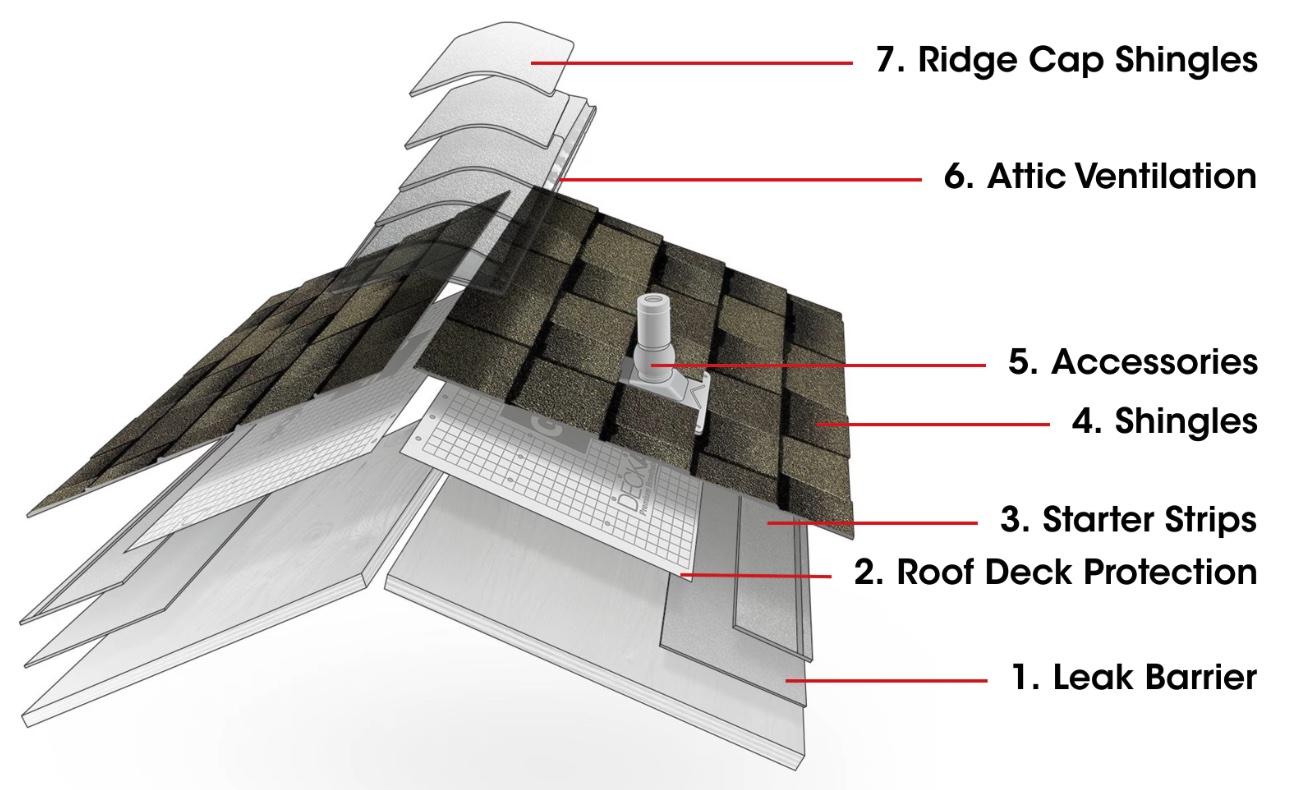
The installation process involves laying down underlayment, followed by shingles or other chosen materials. Proper alignment and secure fastening are essential to ensure effectiveness against weather elements.
Communication among crew members is vital during this phase. Each member has specific responsibilities, contributing to a cohesive effort that guarantees quality. Regular checks by the foreman help maintain standards and address any issues quickly.
Gutter Installation and Finishing Touches
After the new roof installation is installed, attention turns to the gutter system. Proper gutter installation is vital for directing rainwater away from the home’s foundation. This phase usually involves measuring and positioning gutters to ensure effective drainage.
The installation process includes mounting brackets, adding downspouts, and sealing connections to prevent leaks. Once gutters are securely in place, finishing touches such as cleaning the job site and conducting a final inspection are performed.
The roofing crew will ensure that all debris is cleared away, leaving the property tidy. These final steps enhance the aesthetic and functionality of the new roof while ensuring homeowner satisfaction.
Post-Installation Services and Maintenance
Post-installation services are crucial for ensuring the longevity and performance of a new roof. Regular inspections, ongoing maintenance, and timely repairs help to protect this investment.
Roof Inspections for Longevity
Routine roof inspections play a vital role in extending the lifespan of roofing systems. A professional roofing company typically recommends inspections at least twice a year and after severe weather events. During these inspections, trained specialists assess the roof for signs of damage, wear, or deterioration.
Key elements inspected may include:
- Flashing: Ensures there are no leaks around chimneys and vents.
- Shingles: Checks for cracks, missing pieces, or granule loss.
- Gutters: Evaluates for blockages that could lead to water damage.
Identifying issues early can prevent costly repairs from roofer near me and maintain structural integrity.
Routine Roof Maintenance
Regular roof maintenance is essential for optimizing performance. It involves a comprehensive checklist that ensures all components function as intended.
Maintenance tasks include:
- Clearing Debris: Removing leaves and branches from the roof and gutters to prevent water pooling.
- Sealing Joints: Ensuring all joints and penetrations are properly sealed to keep water out.
- Repairing Surface Damage: Addressing issues like cracks or blisters in materials before they worsen.
Many roofing companies offer maintenance plans that include scheduled visits, allowing homeowners to maintain their roofs easily.
Roof Leak Repairs and Timely Interventions
Addressing roof leaks promptly is critical for preventing extensive damage. A roof leak can lead to water infiltration, affecting insulation and causing mold growth. When a leak is detected, it is essential to contact a professional immediately to assess the situation.
Common causes of roof leaks include:
- Damaged shingles: Cracked or missing shingles can allow water to penetrate.
- Improperly installed flashing: Poor installation can lead to gaps.
- Age-related wear: Over time, roofing materials naturally degrade.
Timely intervention can save homeowners from significant repair costs and ensure their roofs remain in optimal condition.
Project Planning, Costs, and Insurance
Planning a roofing project involves multiple important elements, including accurate budgeting, exploring financing options, and navigating the complexities of insurance claims. Each factor plays a critical role in ensuring a successful installation.
Free Estimates and Accurate Roofing Project Budgets
Obtaining free estimates is a crucial step in planning roofing projects. Homeowners should contact at least three contractors to gather written estimates that detail materials, labor, and timelines.
A comprehensive estimate should include:
- Material Costs: Cost of shingles, underlayment, and other materials.
- Labor Costs: Typically, around 60% of total expenses go to labor.
- Permitting Fees: Depending on the area, permits can range from $150 to $500.
With this information, homeowners can create an accurate project budget to avoid unexpected costs and improve overall planning from a roofer near me.
Financing Options for Roof Installation
When facing large expenses for roof installation, homeowners can explore various financing options. Options may include:
- Home Equity Loans: Utilizing equity to secure funds.
- Personal Loans: Unsecured loans can cover installation costs.
- Contractor Financing: Some contractors offer in-house financing plans.
Understanding these options, along with interest rates and repayment terms, helps homeowners make informed decisions about how to finance their roofing projects without straining their budget.
Navigating Roof Insurance Claims
Insurance can significantly impact the financial aspect of a roofing project. Homeowners should first review their policy’s coverage for roof damage.
Key steps for navigating roof insurance claims include:
- Documenting Damage: Take detailed photos before repairs.
- Informing the Insurance Company: Report the damage promptly.
- Meeting with the Adjuster: Ensure that the adjuster thoroughly inspects the property.
Working closely with an insurance representative can significantly ease the claims process and enhance customer service throughout the roofing project when seeking a roofer near me.
Ready for Roof Installation You Can Rely On?
Don’t leave your home’s protection to chance—trust the experts in roof installation to deliver results that last. At Florida Roof Top Experts, our team combines skill, experience, and local knowledge to ensure your roof is installed with precision and built to withstand Florida’s toughest weather.
If you’re searching for a roofer near me in Lakeland, Winter Haven, or surrounding Central Florida areas, look no further. We’re here to guide you through every step, from choosing the right materials to final inspection.
Contact Florida Roof Top Experts today to schedule your free consultation and take the first step toward a safer, more durable roof.



Leave a Reply