
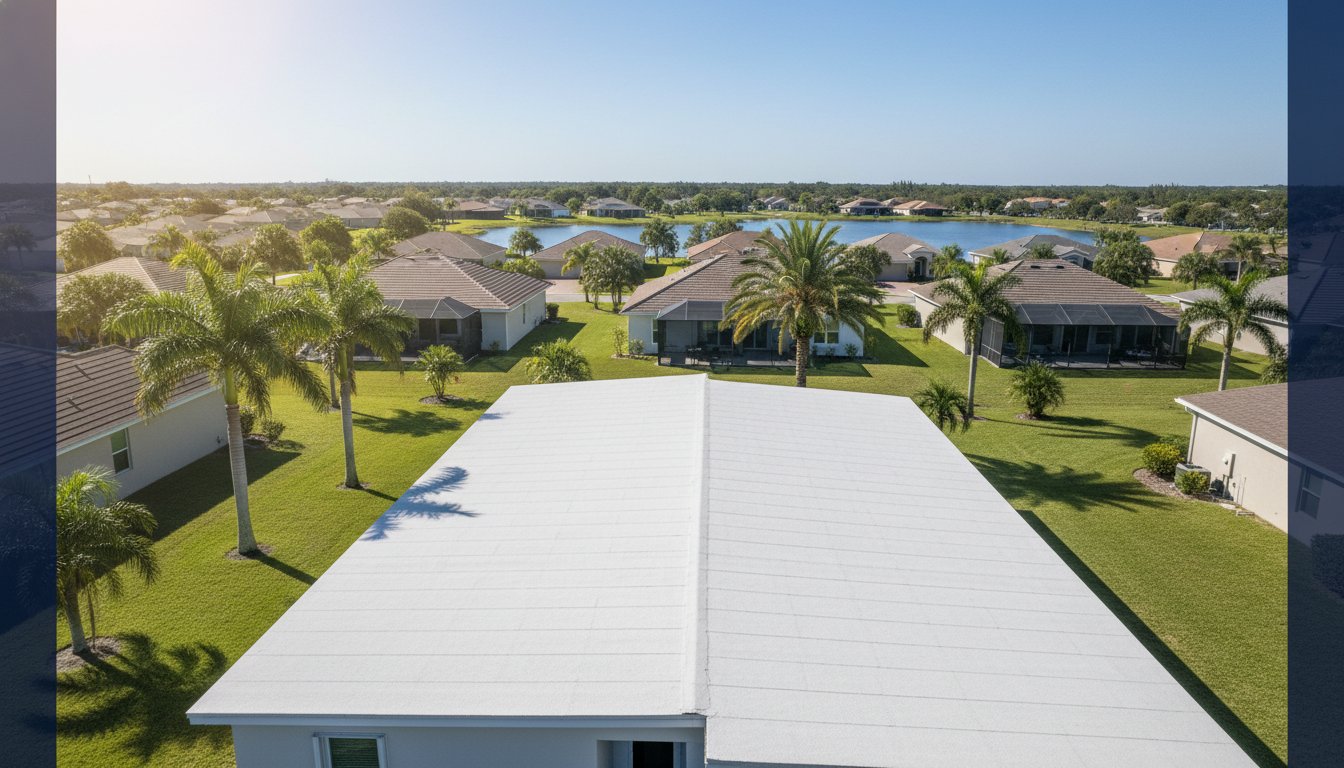
What if the flat roof section that causes you constant stress every June could actually become the most durable part of your home? You aren’t alone if you’ve spent the last three summer storm seasons checking the ceiling for water spots or watching your energy bill climb as the Florida sun bakes your rooftop. Flat and low-slope roofs in Central Florida face a brutal cycle of 95-degree heat and sudden afternoon downpours that can tear through standard materials in under a decade. In this guide, you’ll discover why modified bitumen roofing is the premier choice for protecting your property and how it provides a fortified shield that meets the rigorous 2026 Florida Building Codes.
We know that local homeowners want reliability without high-pressure sales tactics. You’ve likely noticed that traditional asphalt just can’t handle the intense UV exposure we see 230 days a year. This article explains how the rubberized layers of modified bitumen create a seamless barrier against moisture while reflecting heat to lower your cooling costs. We’ll walk you through the installation process, the durability benefits during 100 mph wind events, and exactly why this material is the no-nonsense solution for a leak-free home in our unique climate.
Key Takeaways
- Understand how modern polymer technology transforms traditional asphalt into a fortified shield for your low-slope home or business.
- Learn the critical differences between SBS and APP membranes to ensure your roof withstands intense Florida heat and high UV exposure.
- Discover why modified bitumen roofing provides the superior waterproofing and tensile strength needed to survive Central Florida’s unpredictable storm season.
- Identify the safest professional installation techniques and maintenance strategies to secure a leak-free guarantee for decades to come.
- Gain peace of mind by learning how local expertise simplifies the complex building codes and permitting processes in Polk and Osceola counties.
What is Modified Bitumen Roofing? The Evolution of Flat Roof Protection
Modified bitumen roofing represents a significant technological leap in flat roof engineering. It takes the multi-layer redundancy of traditional built-up roofing (BUR) and infuses it with high-tech polymers. You can think of it as a fortified asphalt system. By adding rubber (SBS) or plastic (APP) modifiers, manufacturers create a membrane that stays flexible during 95-degree afternoons in Lakeland while resisting the heavy downpours common in Polk County. This type of membrane roofing provides a seamless barrier against moisture, which is critical for the low-slope structures found across Central Florida.
To better understand how this material is applied in the field, watch this helpful video showing the torch-down process:
For decades, traditional BUR was the industry standard, but it was often heavy and prone to cracking under thermal stress. Modified bitumen roofing improves on this by reducing overall weight and increasing tensile strength. Whether it’s a retail storefront in Lakeland or a residential porch addition in Poinciana, this material offers a “best of both worlds” solution. It provides the thickness and redundancy of BUR with the modern flexibility of single-ply systems.
The Anatomy of a Mod-Bit System
A mod-bit system isn’t just one sheet of material; it’s a precision-engineered stack. The core is the bitumen base, which acts as the primary waterproofing shield. Inside that base, you’ll find reinforcement mats made of high-strength fiberglass or polyester. These layers prevent the roof from tearing or stretching under extreme thermal expansion. Finally, the top is finished with mineral granules or metallic foils. These aren’t just for aesthetics. They reflect UV rays, which can reach levels of 10 or higher during a Florida summer, preventing the underlying asphalt from becoming brittle or “cooking” in the sun.
Why Central Florida Businesses Choose Mod-Bit
Business owners in Winter Haven often face a choice between old-school gravel and modern membranes. Traditional gravel roofs can weigh up to 400 pounds per square, putting immense stress on older structures. Mod-bit systems are significantly lighter and require less frequent maintenance over their 20 to 30-year lifespan. When searching for commercial roofing near me, many local managers prioritize this longevity. Since its introduction to the US market in 1975, modified bitumen has proven it can withstand the high humidity and rapid temperature shifts unique to our region. It’s a hardworking, no-nonsense choice for anyone looking to protect their investment from the next storm season.
SBS vs. APP: Choosing the Right Membrane for the Florida Sun
Choosing between SBS and APP membranes determines whether your modified bitumen roofing system lasts 12 years or survives well past 20. In Polk County, the intense UV index frequently hits 10 or higher during summer months, putting immense stress on flat surfaces. Your building structure and the expected foot traffic dictate which “flavor” of mod-bit provides the best protection. Selecting the wrong material for your specific roof deck can lead to premature aging, surface cracking, and total system failure within the first decade.
SBS: Flexibility for Thermal Expansion
Styrene-Butadiene-Styrene (SBS) acts as a rubberized modifier that gives asphalt an elastic quality. Florida weather patterns often feature a 95-degree afternoon followed by a sudden thunderstorm that drops temperatures by 20 degrees in minutes. SBS membranes handle this thermal shock by stretching and retracting without cracking. This material possesses inherent self-healing properties under moderate stress, meaning small punctures can sometimes seal themselves as the sun warms the surface. Many local homeowners prefer SBS for multi-ply residential applications because it offers a Self Adhered Modified Bitumen Roof System option. This installation method eliminates the need for open flames on your property while providing a fortified, multi-layered shield.
- Elasticity: SBS stretches up to 150% of its original size without breaking.
- Cold Weather Performance: While rare in Florida, SBS remains flexible during our occasional freezing winter nights.
- Application Versatility: Can be installed with cold adhesives, hot asphalt, or self-adhering backings.
APP: The Heat Shield
Atactic Polypropylene (APP) uses a plastic-based modifier to raise the asphalt’s melting point significantly. For commercial rooftops in Davenport, where surface temperatures can exceed 160 degrees, APP serves as a high-performance heat shield. It fights off the 2026 Florida sun with superior UV resistance that prevents the membrane from becoming brittle. Most APP installations require a torch-down method. A professional uses a propane torch to melt the underside of the sheet, creating a permanent, fused bond with the substrate. This creates a seamless barrier against the heavy rainfall common in Central Florida.
- High Melting Point: APP stays stable at temperatures where other materials might soften.
- Toughness: The plasticized surface resists scuffs and damage from falling debris or maintenance traffic.
- Fast Application: Torch-down methods allow for rapid installation on large, flat commercial surfaces.
The choice ultimately rests on your building’s structural movement and your tolerance for specific installation methods. SBS is the Reliable Guardian for homes that may settle over time, while APP is the hardworking specialist for high-heat environments. If you are unsure which chemistry fits your property, our team can provide a comprehensive roof inspection to identify the ideal membrane for your long-term security.

Why Modified Bitumen is a Fortified Choice for the Florida Climate
Living in Central Florida means your home faces a relentless assault from the sun and rain. Standard materials often fail under the pressure of 95 degree days followed by sudden, violent thunderstorms. Modified bitumen roofing provides a redundant, multi-layered shield that turns a vulnerable flat surface into a fortified barrier. This system isn’t just a single sheet of plastic; it’s a reinforced composite designed to survive our local climate.
Hurricane Resistance and Debris Protection
The primary objection we hear from owners is whether a flat roof can survive a major storm. The answer lies in the multi-ply advantage. While single-ply membranes rely on one thin layer, a modified bitumen system utilizes two or three layers of protection. Tensile strength refers to the material’s capacity to withstand the extreme pulling and stretching forces exerted by 120mph wind gusts without tearing or separating. These layers are bonded together with hot asphalt or high-strength cold adhesives, creating a monolithic structure that resists wind uplift. In Kissimmee and surrounding areas, this added thickness prevents punctures from wind-blown branches and debris that would easily pierce lesser materials.
Managing Florida’s High Humidity and Moisture
Our humidity can turn a poorly drained roof into a breeding ground for mold and mildew. Professional installation creates a seamless surface that prevents water from finding a path into your roof decking. To manage the heavy 3 PM downpours, we prioritize proper drainage through the use of “crickets.”
- Crickets: These are tapered, angled structures installed on the high side of chimneys or in low spots to direct water toward drains.
- Seamless Sealing: Heat-welded or chemically bonded seams ensure that moisture cannot penetrate the overlaps.
- Fungus Resistance: Modern granules are treated to prevent the dark streaks caused by algae and mold growth in stagnant environments.
Eliminating standing water is vital because ponding water accounts for nearly 90% of flat roof leaks. By ensuring every gallon of rain moves quickly off the surface, we protect the structural integrity of your home.
Energy Efficiency and Peak Cooling Loads
Cooling costs are a primary concern for every local property owner. Modern modified bitumen roofing often features specialized granules or liquid-applied coatings that reflect up to 80% of solar radiation. According to Department of Energy data, cool roof surfaces can stay 50 degrees cooler than traditional dark materials during peak summer hours. This reduction in heat absorption directly lowers your peak cooling loads. It saves you money on monthly utility bills and reduces the strain on your HVAC system during the hottest months of the year. Our Experts ensure your installation maximizes these thermal benefits to provide long-term financial relief.
Professional Installation and Maintenance in Polk County
Installing modified bitumen roofing in Central Florida requires a deep understanding of our unique thermal expansion cycles. In Polk County, where summer temperatures regularly exceed 95 degrees, your roof must expand and contract without compromising its structural integrity. We focus on a precision-led approach that ensures every seam acts as a permanent shield against the elements. Our team treats every installation as a custom project designed to withstand the 2026 hurricane season and beyond.
Choosing between torch-down and cold-applied methods is the first critical decision for your property. Torch-down application uses a propane blower to heat the material, creating a vulcanized bond that is incredibly strong. However, cold-applied systems are often the safer, preferred choice for occupied residential buildings or businesses with high fire-risk profiles. This method uses high-grade adhesives to eliminate open flames while providing the same fortified protection and seamless finish.
The Professional Installation Workflow
- Step 1: Deck Preparation. Our team strips the surface to the substrate, ensuring it is dry and free of debris. We verify the structural integrity of the decking to prevent future sagging or moisture traps.
- Step 2: Base Sheet Application. We secure a heavy-duty base sheet using specialized fasteners or high-strength adhesives. This creates the first essential line of defense for the building.
- Step 3: Multi-Ply Bonding. We apply the mid-ply and granulated cap sheet in a staggered pattern. This redundant sealing process ensures that even if the top layer is stressed by UV rays, the underlying layers remain watertight.
Many Lakeland and Winter Haven properties feature “hybrid” designs. We specialize in integrating these flat sections with pitched areas like asphalt shingles or standing seam metal. This transition point is where most leaks occur; therefore, we use reinforced flashing to create a seamless bridge between materials. This technical precision prevents water from backing up under the shingles during heavy tropical downpours. Working with experienced commercial roofing contractors in Lakeland ensures these complex hybrid installations meet the strict 2026 Florida Building Code wind-uplift requirements.
Maintenance and Leak Prevention
A well-installed system can easily last 25 years, but 80% average humidity and intense UV exposure will take a toll. For Lake Wales business owners, semi-annual inspections in the spring and fall are mandatory to catch issues before they turn into interior damage. You should look for “alligatoring,” which is a pattern of small cracks resembling reptile skin, or any signs of seam separation near the roof edges.
If you notice standing water or debris buildup after a heavy summer storm, you might need professional roof repair near me to restore the seal. Early intervention prevents the substrate from rotting and saves thousands in premature replacement costs. Our local experts provide a steady hand and transparent guidance to keep your family home secure through every season.
Protect your investment with a roof built for the Florida climate. Contact the Florida Rooftop Experts for a precision inspection today.
Trusting the Reliable Guardian: Why Roof Top Experts?
Choosing a contractor in Winter Haven or Lakeland shouldn’t feel like a gamble. Your commercial property deserves a shield that stands up to 110 mph wind gusts and the relentless Florida sun. We focus on protecting your investment with precision. Our team treats every project in Osceola and Polk counties with the integrity of a local, family-owned business. We don’t just install modified bitumen roofing; we build long-term security for your business. You need a partner who understands that a roof is more than a layer of asphalt. It’s the primary defense for your inventory, your employees, and your livelihood.
Our commitment to the community runs deep. We’ve spent years learning the specific environmental stressors that affect structures in Haines City and Davenport. This local knowledge allows us to offer a no-nonsense professional consultation that cuts through the noise. We won’t sell you a service you don’t need. Instead, we provide a clear, actionable plan to fortify your building against the elements. Our reputation is built on transparency and the steady, predictable results that Central Florida owners expect.
Expertise in Central Florida Commercial Standards
Florida’s 8th Edition Building Code updates have set a high bar for 2026 insurance compliance. Meeting these standards requires more than basic labor. It demands a deep understanding of local permitting and structural requirements. We take the “Reliable Guardian” approach to every job. This means we prioritize safety and structural integrity above all else. Our team ensures your modified bitumen roofing system meets or exceeds the rigorous wind uplift and fire resistance ratings required by modern providers.
- Strict adherence to Polk County 140 mph wind zone requirements.
- Verified 2026 insurance documentation provided for every installation.
- Direct communication with a local expert who lives in your neighborhood.
- Comprehensive knowledge of Osceola County drainage and slope regulations.
Our family-owned status gives us a personal stake in the community. We aren’t a corporate entity from out of state. We’re your neighbors. This connection drives us to maintain the highest standards of craftsmanship on every project, regardless of size. When we finish a job, we leave behind a fortified structure that offers genuine peace of mind. For facility managers overseeing large-scale operations, working with a qualified industrial roofing company that understands the 2026 Florida Building Code requirements is essential to maintaining insurance compliance and protecting your bottom line.
Ready to Secure Your Flat Roof?
Securing your property starts with a detailed roof audit. We don’t believe in guesswork. Our experts perform a comprehensive evaluation to identify hidden vulnerabilities before they become expensive disasters. You’ll receive a functional plan for your roof without any high-pressure sales tactics. We provide the facts so you can make an informed decision for your business.
The process is straightforward and efficient. Once you request your free, expert estimate, we schedule a site visit to inspect your existing system. We look at everything from seam integrity to thermal performance. After the audit, we present a clear breakdown of the necessary steps to achieve a seamless, durable finish. Contact Roof Top Experts today to schedule your flat roof solution and experience the difference that local expertise makes.
Fortify Your Investment for the 2026 Storm Season
Protecting a flat roof in Central Florida requires a material that stands up to 50 inches of annual rainfall and 100-degree heat cycles. Whether you choose SBS for its rubberized flexibility or APP for high-heat resistance, modified bitumen roofing provides a multi-layered shield that outlasts traditional felt systems. Proper installation ensures your building meets the strict 2026 Florida Building Code requirements for wind uplift and drainage. We bring decades of experience as a fully licensed and insured contractor to every project. Our team maintains deep expertise in Polk, Hillsborough, and Osceola county building codes to ensure your high-durability commercial system is legally compliant and structurally sound. For business owners whose existing roof has reached the end of its service life, exploring professional commercial roof replacement services in Central Florida is a strategic move to protect your asset and meet the 2026 energy efficiency standards. You don’t have to face the next hurricane season with uncertainty. We provide the precision and integrity your property deserves. We’re here to help you navigate the technical details while securing your family’s future.
Get Your Free Modified Bitumen Roofing Estimate from Roof Top Experts
Your peace of mind is our priority; let’s build a roof that stands strong for years to come.
Frequently Asked Questions
Is modified bitumen roofing the same as “roll roofing” from a hardware store?
No, professional modified bitumen roofing is a high-performance system that’s much thicker and more durable than standard hardware store rolls. While basic MSR roll roofing typically lasts only 5 to 8 years, a multi-layer modified bitumen system uses reinforced fiberglass or polyester mats to provide 20 or more years of protection. Our local experts install these systems with precision to ensure your home stays dry during heavy Orlando rainstorms.
How long does a modified bitumen roof typically last in Central Florida?
A properly installed 2-ply or 3-ply modified bitumen roof lasts between 15 and 25 years in our climate. Central Florida’s 50 inches of annual rainfall and 230 days of intense sunshine put immense stress on flat surfaces. We focus on high-quality seams and proper drainage to ensure your roof reaches its full lifespan without premature failure from ponding water or UV degradation.
Can I walk on a modified bitumen roof for HVAC maintenance?
Yes, you can safely walk on these roofs because they’re designed to handle moderate foot traffic. The thick asphalt layers provide a resilient cushion that resists punctures better than thinner single-ply membranes. We recommend installing dedicated walk pads around your HVAC units to protect the membrane from tool drops and frequent technician visits, which preserves the integrity of your shield.
Does a modified bitumen roof require a special coating to be energy efficient?
Yes, applying a reflective granulated surface or an elastomeric coating is essential for energy efficiency in Florida. Standard black bitumen absorbs 90 percent of solar heat, which can spike your cooling costs. A bright white “cool roof” coating reflects up to 80 percent of UV rays. This simple addition keeps your attic cooler and reduces the daily strain on your air conditioning system.
What is the difference between torch-down and peel-and-stick mod-bit?
Torch-down uses a propane flame to melt the asphalt for a fused bond, while peel-and-stick uses a factory-applied adhesive. Torch-down creates an incredibly strong seal but carries higher fire risks during installation. Peel-and-stick is a safer alternative for residential neighborhoods and still offers excellent wind resistance. Both options provide a fortified barrier against the 130 mph wind gusts we see during hurricane season.
Can modified bitumen be installed over an existing flat roof?
Florida Building Code Section 1511.3 allows for one roof recover if the underlying structure is dry and structurally sound. You can’t install modified bitumen roofing over a system that already has two layers or has saturated insulation. Our team performs a detailed moisture inspection to confirm your deck is healthy before we ever suggest a “lay-over” solution to save you money.
Is modified bitumen fire-resistant for commercial properties?
Most modified bitumen systems carry a Class A fire rating, which is the highest safety level in the industry. Manufacturers include fire-retardant additives in the asphalt mix to ensure the material doesn’t support a flame. This rating is a standard requirement for commercial building codes in cities like Tampa and Orlando, providing you with essential peace of mind regarding structural safety.
How much does a modified bitumen roof cost compared to TPO or EPDM?
Modified bitumen usually sits in the middle of the price range for flat roofing options. According to 2024 industry reports from RSMeans, it’s more expensive than basic EPDM because it requires multiple layers of material. However, it’s often more cost-effective than high-end TPO systems. It offers a great balance of long-term durability and upfront value for Florida property owners who need a reliable, heavy-duty roof. Large-scale operations should also consult our 2026 vetting checklist for selecting an industrial roofing company in Central Florida to ensure they’re comparing contractors on the right criteria before committing to any system.


Leave a Reply